
How Long Does a Miswak Stick Last? When to Cut and When to Replace

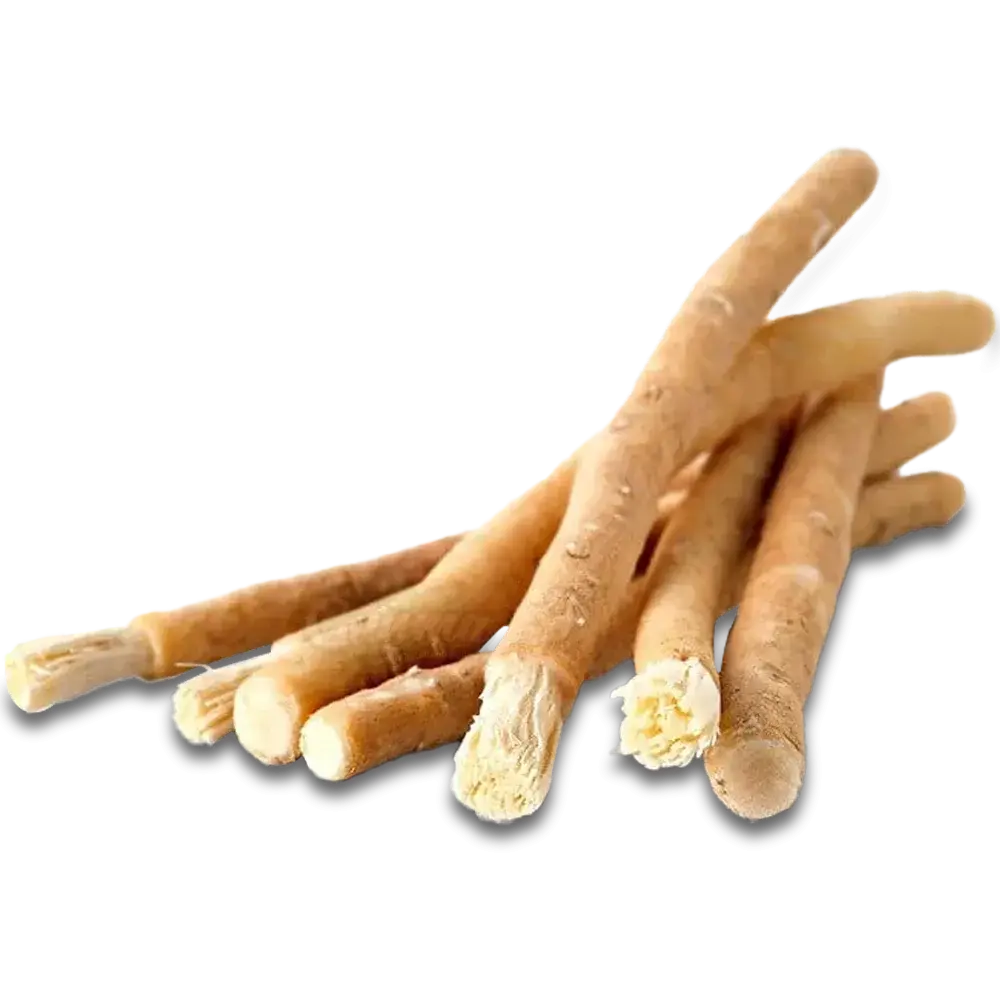
A toothbrush gets swapped every few months. A miswak works differently.
It renews itself. You wear down the tip, cut it off, and start again with fresh wood. Same stick. New brush.
So how long can one stick really keep going? And when is it time to cut, or to bin it and start a new one? Here’s how to get the most from every stick.
How Long Do Miswak Sticks Last?
One miswak stick lasts several weeks with regular use and trimming.
Researchers describe it simply. When the brush end wears out, you cut it off and chew a fresh end. Done this way, the stick keeps working for weeks.
Exactly how long depends on you:
- How often you use it. Five times a day wears it down faster than twice.
- How hard you brush. Heavy pressure shreds fibres quickly.
- How much you trim each time. Small trims stretch the stick further.
- How you store it. Damp, sealed storage shortens its life.
- The stick itself. Root sticks are softer. Branch sticks are firmer and tend to last longer.
New to miswak? Start with what is a miswak stick.
Are Miswak Sticks Reusable?
Yes. That’s the whole design.
You don’t throw a miswak away after one use. You use the same tip for a few days, then trim it and expose fresh fibres. Repeat until the stick gets too short.
Think of it as two lifespans:
- The tip: about 2 to 4 days
- The whole stick: several weeks
When to Cut Your Miswak
The tip tells you when it’s done. Trim it when the bristles:
- Look frayed, like an old broom
- Have spread too wide to control
- Feel limp or flattened
- Have turned dark
- Have lost their sharp, peppery taste
For most people, that’s every 2 to 4 days.
You don’t need to cut after every use. Just rinse the tip and let it dry.
How to Cut It
- Use a clean knife or scissors. Snap it by hand if you have nothing else.
- Trim just the worn fibres. Don’t take more wood than you need.
- Peel back fresh bark if the new end needs it.
- Chew the new tip until soft bristles form again.
Full step by step instructions are in our guide on how to use a miswak stick.
When to Replace the Whole Stick
Cutting buys you time. But every stick reaches its end. Replace it when:
- It’s too short to grip. Researchers suggest a working miswak should be around 15 cm (6 inches) long, so it’s easy to hold. Once yours is stubby and awkward, it’s time.
- The fibres won’t open. If chewing no longer softens the wood into bristles, it’s done.
- It’s cracked or splintering. Sharp edges can hurt your gums.
- You spot mould. Fuzzy patches or odd spots mean straight in the bin.
- It smells wrong. A sour or musty smell is a clear warning sign.
Can Miswak Expire?
Not like food. But it can lose its freshness and spoil.
Here’s what the research suggests:
- A month makes little difference. Lab tests found no difference in antibacterial effect between freshly cut and one month old miswak.
- Even very old sticks keep some activity. In one study, 18 year old stored miswak still showed antibacterial effects against one type of bacteria. Only fresh miswak acted on Streptococcus mutans, the main decay bacterium, at high concentration.
- Dried miswak isn’t useless. One study found dried miswak had stronger antifungal activity than fresh.
- Storage time matters. Researchers found storage time and stick diameter both affect how strongly miswak inhibits fungi.
The takeaway? An unused stick doesn’t “expire” overnight. But freshness affects how it performs. And once a stick is open and in use, moisture and mould are the real threat.
Signs Your Miswak Has Gone Off
- Mould, fuzz or dark spots on the wood
- A sour, musty or rotten smell
- An unusual or sour taste
- Wood so dry and brittle it snaps or splinters
- Fibres that won’t soften no matter how long you chew
If you notice any of these, replace it.
How to Store Your Miswak So It Lasts Longer
Good storage adds weeks to a stick’s life.
Do:
- Rinse the tip gently after each use
- Shake off excess water
- Store it upright, bristle end up
- Keep it somewhere clean, dry and ventilated
- Use a breathable holder or cap when travelling
Don’t:
- Seal a wet miswak in a bag or airtight box, which traps moisture and invites mould
- Leave it near the sink or toilet, where splashes carry bacteria
- Keep it in direct sunlight or near heat, which dries it out
Unopened sticks: keep them sealed in their packaging, somewhere cool and dry, until you’re ready to start one.
How Many Miswak Sticks Do You Need?
It depends on how you use them.
- Occasional use: one stick at a time, with a spare
- Daily use: a fresh stick every few weeks
- Before every prayer: you’ll trim more often, so keep extras ready
- Home, work and travel: one stick per place
Pick your pack:
- Trying it out? Start with a single miswak stick.
- One for home, one for work, one for your bag? The organic natural miswak sticks pack of 3 covers it.
- Daily user? The natural miswak sticks pack of 5 keeps a fresh stick ready.
- Using it at every prayer? Stock up with the organic miswak sticks pack of 10.
Get More From Every Stick
A miswak that lasts is a miswak that works. Gentle pressure saves fibres. Regular trimming keeps the tip effective. Dry storage keeps mould away.
Want to know what the science says about results? Read do miswak sticks work. Weighing it against your usual brush? See miswak vs toothbrush.
Browse the full miswak shop UK, explore our natural miswak sticks, or visit Miswak Store UK.
Frequently Asked Questions
How long do miswak sticks last?
One miswak stick lasts several weeks with regular use and trimming. The exact time depends on how often you use it, how hard you brush and how you store it.
How long can you use a miswak stick tip before cutting it?
Usually 2 to 4 days. Trim it when the bristles look frayed, turn dark or lose their taste.
Are miswak sticks reusable?
Yes. You reuse the same stick for weeks, trimming the worn tip and chewing a fresh end each time.
Can miswak expire?
Not like food, but it can lose freshness. Mould, a sour smell or very brittle wood mean it’s time to replace it.
Do you need to cut miswak after every use?
No. Rinse it after each use and trim only when the bristles wear out.
How should I store my miswak?
Upright, in a clean, dry and ventilated place. Avoid airtight containers, damp spots and areas near sinks or toilets.
When should I replace my miswak completely?
When it’s too short to hold comfortably, the fibres won’t soften, it’s cracked, or you see signs of mould.
Sources: Haque and Alsareii, Saudi Medical Journal, 2015 (PMC4436748). Halawany, The Saudi Dental Journal, 2012. Simmons et al., “The Miswak Comeback,” Dimensions of Dental Hygiene, 2026.