
Miswak vs Siwak: Is There a Real Difference?

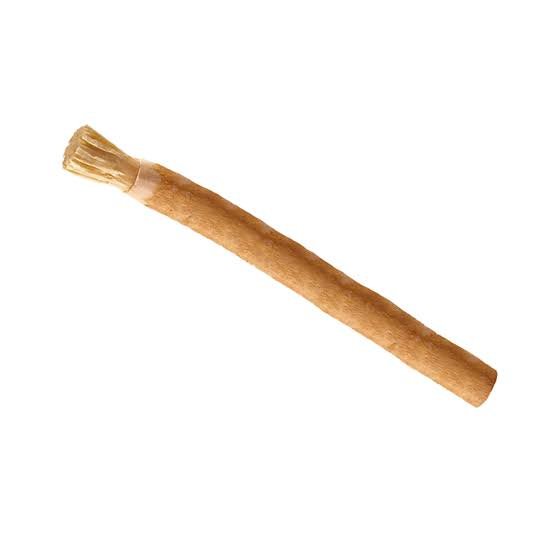
One shop sells miswak. Another sells siwak. A third sells sewak. Your grandmother calls it something else entirely.
So are these different products? Different trees? Different traditions?
Here’s the honest answer: no. In almost every case, they’re the same stick with different names. But the confusion makes sense, and there’s an interesting story behind the words.
What Is the Difference Between Miswak and Siwak?
There’s no real difference in the stick.
Both words are Arabic. Both describe the same tooth cleaning twig, usually cut from the Salvadora persica tree. Researchers list siwak as simply one of several names for miswak, alongside:
- Miswaak
- Misswak
- Miswaki
- Meswak
- Mswaki
- Sewak
- Siwaki
Spellings change with dialect, country and how the Arabic is written in English letters. The stick stays the same.
New to the topic? Start with what is a miswak stick.
Where the Two Words Come From
Miswak and siwak share the same Arabic root, which is linked to rubbing or cleaning. They’re two forms of one word.
Miswak follows a common Arabic pattern for naming tools. It means the instrument: the stick you clean your teeth with.
Siwak can mean the stick too. But it’s also used for the act of cleaning your teeth with it. Dental researchers describe siwak as the act of using the miswak stick.
Think of it like this:
- Miswak is the tool
- Siwak is the tool or the practice
In daily speech, people swap them freely. You’ll hear “use your siwak” and “use your miswak” meaning exactly the same thing.
Siwak and Miswak in the Hadith
Both words appear in the hadith, often side by side in translation.
One well known narration reports the Prophet Muhammad (peace be upon him) saying that had it not been hard on his followers, he would have ordered them to use siwak at every prayer. Another describes the siwak as purification for the mouth and a means of pleasing Allah.
Translators often write “siwak (miswak)” to show they mean the same thing. That’s why you’ll find both terms in Islamic books, and both used for the same Sunnah.
Why Do Some Sellers Say They’re Different?
You might read that “siwak” means any tooth cleaning stick from any plant, while “miswak” means only the Salvadora persica stick.
That’s not how the research uses the words. Scientific reviews treat siwak and miswak as the same word for the same stick.
There are real differences worth knowing, but they’re about the plant, not the name.
Different Trees, Same Purpose
People around the world clean their teeth with sticks from many plants. Researchers have counted at least 182 plant species used this way. Examples include:
| Plant | Where It’s Common |
|---|---|
| Salvadora persica (arak or toothbrush tree) | Middle East, Africa, South Asia |
| Neem | India |
| Lime and orange trees | West Africa |
| Walnut | North Africa |
Salvadora persica is the most widely used of them all. It’s also the plant behind almost all the research on miswak’s benefits.
One Real Naming Twist
In the Maghreb, the word “miswak” can refer to something different: a cleaning tool made from walnut wood, used in Morocco, Algeria, Tunisia and Libya.
So if you’re shopping, the name isn’t the thing to check. The plant is.
Other Names You’ll Hear
| Name | Where You’ll Hear It |
|---|---|
| Miswak, siwak | Arabic, and widely in English |
| Sewak | Common in South Asian communities, including in the UK |
| Arak | After the tree itself |
| Misvak | Turkish and Persian |
| Koyoji | Japanese |
| Qesam | Hebrew |
| Sothiou | Wolof, Senegal |
Different languages. Same tooth cleaning tradition.
Miswak or Siwak: Which Should You Buy?
It doesn’t matter what it’s called. Check these instead:
- The plant. Look for Salvadora persica, also called arak.
- Freshness. The tip should soften into bristles when chewed, with a peppery taste.
- Condition. No mould, cracks or musty smell.
- Size. Around 15 to 20 cm long is easy to hold and use.
Every stick in our range of natural miswak sticks is cut from Salvadora persica. Call it miswak, siwak or sewak. It’s the same stick.
Does the Name Change How You Use It?
No. Miswak or siwak, the steps are the same:
- Peel back a little bark
- Chew the tip into soft bristles
- Brush gently, away from the gums
- Trim the tip when it wears out
Full instructions are in our guide on how to use a miswak stick.
The Verdict
Is there a real difference between miswak and siwak? Not in the stick.
They’re two forms of the same Arabic word. Miswak names the tool. Siwak can name the tool or the act of using it. Both point to the same twig from the same tree, and the same Sunnah.
What matters is the plant and the quality, not the label on the pack.
Curious what the research says? Read do miswak sticks work. Weighing it against your toothbrush? See miswak vs toothbrush. Wondering about the flavour? Find out what a miswak stick tastes like.
Whatever you call it, pick your pack:
- Trying it out? Start with a single miswak stick.
- One for home, one for the mosque, one for your bag? The organic natural miswak sticks pack of 3.
- Daily user? The natural miswak sticks pack of 5.
- Using siwak at every prayer? Stock up with the organic miswak sticks pack of 10.
Browse the full miswak shop UK or visit Miswak Store UK.
Frequently Asked Questions
What is the difference between miswak and siwak?
There’s no difference in the stick. Both are Arabic words for the same tooth cleaning twig. Miswak names the tool, while siwak can mean the tool or the act of using it.
Are miswak and siwak from the same tree?
Yes. Both usually come from Salvadora persica, also called the arak or toothbrush tree.
Is sewak the same as miswak?
Yes. Sewak is another spelling, common in South Asian communities.
Why do some people say siwak and others say miswak?
It depends on dialect, region and habit. Both are correct, and both appear in the hadith and Islamic texts.
Is siwak a Sunnah?
Yes. The Prophet Muhammad (peace be upon him) used it regularly and encouraged its use, especially before prayer.
Does the name affect quality?
No. Check the plant, freshness and condition, not the name on the packet.
Sources: Haque and Alsareii, Saudi Medical Journal, 2015 (PMC4436748). Halawany, The Saudi Dental Journal, 2012. Simmons et al., “The Miswak Comeback,” Dimensions of Dental Hygiene, 2026. Karia and Kelleher, Dental Update, 2014.