
Miswak vs Toothbrush: Which One Cleans Better?

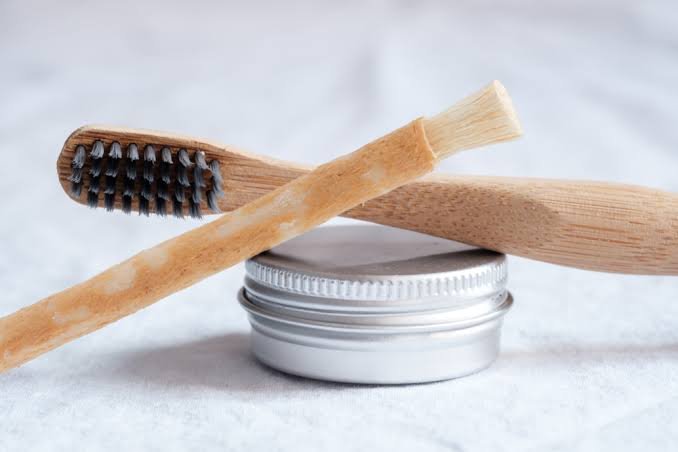
One has been around for thousands of years. The other has been in your bathroom your whole life.
The toothbrush is the standard. The miswak is the original. And for decades, researchers have put them side by side to see which one really cleans better.
The answer isn’t as simple as either side claims. Here’s what the trials show, and what it means for your routine.
Is Miswak Better Than a Toothbrush? The Short Answer
Sometimes. It depends on who’s using it and how.
In many trials, miswak matched the toothbrush for plaque removal. In some, it did better. In others, the toothbrush came out ahead.
The one result that keeps repeating? Using both together beats using either one alone.
New to miswak? Start with what is a miswak stick.
Miswak vs Toothbrush at a Glance
| Feature | Miswak | Toothbrush |
|---|---|---|
| Plaque removal | Equal or better in many trials | Reliable and consistent |
| Built in active compounds | Yes, natural antibacterial compounds | No, relies on toothpaste |
| Toothpaste needed | No | Yes, for fluoride and cleaning agents |
| Reaching back teeth | Harder; bristles run along the stick | Easier; angled head |
| Gaps between teeth | Strong in some studies | Good, but flossing still needed |
| Learning curve | Needs proper technique | Familiar to most people |
| Water or sink needed | No | Yes |
| Biodegradable | Yes | No, plastic handle and nylon bristles |
Are Miswak Sticks Better Than Toothbrushes? What the Trials Found
Where Miswak Came Out Ahead
- Plaque: in a trial of 50 dental students, the miswak group had a significant drop in plaque compared with the toothbrush group.
- Cavities: in a one year trial of 330 Iranian students, the toothbrush group had a 55% higher rate of new cavities per tooth.
- Gum health: a study of 213 men in Sudan found miswak users had better periodontal health than toothbrush users.
- Between teeth: with professional instruction, miswak removed more plaque from the gaps between teeth than toothbrushing did.
- Gingivitis: using a miswak five times a day reduced gingivitis on both outer and inner tooth surfaces more than a toothbrush.
Where It Was a Draw
- A meta analysis found no notable difference between miswak and toothbrushes in reducing plaque and gingivitis.
- A literature review concluded their plaque removing power is similar.
- For people with moderate plaque, chewing sticks and toothbrushes performed equally.
Where the Toothbrush Won
- For people with heavy plaque build up, the toothbrush was more effective.
- One study found higher plaque scores in miswak users than toothbrush users.
- In a 2023 randomised trial of 60 women in Saudi Arabia, toothbrush users significantly cut their plaque over two weeks. The miswak group’s plaque didn’t change much, and their gum scores went up.
That last trial matters. The participants were lifelong toothbrush users trying miswak for the first time. They used it only twice a day. Researchers believe some brushed too aggressively. Even so, the miswak group still kept their plaque in check.
Why the Results Differ So Much
The same tool. Very different results. Why?
Technique. Miswak cleaning depends heavily on skill. The best results came after proper instruction. Beginners scrubbing hard got the worst results.
Frequency. One study found miswak worked best at five uses a day. Twice a day gave weaker plaque results.
Design. Miswak bristles run along the stick. Front teeth are easy to reach. Back molars and inner surfaces take more time and effort.
Plaque level. The heavier your build up, the more a toothbrush has the edge.
Toothpaste. Toothbrush users in trials usually add fluoride toothpaste, which brings its own chemical cleaning. Miswak brings its own compounds instead.
Can Miswak Replace Toothbrush Use Completely?
It can, but it’s not the route most researchers suggest.
Millions of people around the world use only miswak, and many studies show it can match a toothbrush when used well. If you go this route:
- Learn proper technique first
- Use it often, not just twice a day
- Take extra time on back teeth and inner surfaces
- Use light pressure, brushing away from the gums
- Keep up dental check ups
But the 2023 trial authors made a clear call. They recommend miswak as an addition to toothbrushing, not a full replacement. That’s especially true if you’re new to it.
Can I Use Miswak Instead of Toothbrush on the Go?
Absolutely. This is where miswak really shines.
No sink. No water. No toothpaste. You can use it:
- After lunch at work
- On your commute
- While travelling
- Before prayer
- After coffee or tea
A toothbrush can’t do that. A miswak fits in your pocket.
Can I Use Miswak After Brushing Teeth?
Yes. And before. And in between.
There’s no rule on order. Research hasn’t tested whether before or after works better. What it has shown is that combining the two works:
- People with mild to moderate gingivitis saw plaque scores and gum health improve most with miswak plus toothbrush.
- The lowest plaque scores in one study came from people who used both.
- A meta analysis found miswak added to toothbrushing reduced plaque and gingivitis more than toothbrushing alone.
A simple routine that works:
- Morning and night: toothbrush with toothpaste
- During the day: miswak after meals, drinks or before prayer
You get the toothbrush’s reach and the miswak’s natural compounds. Best of both.
How to Get the Most From Your Miswak
Technique decides everything in this comparison. Get it right with our guide on how to use a miswak stick.
Want the deeper dive into the evidence? Read do miswak sticks work. Curious about stains? See do miswak sticks whiten teeth.
The Verdict
Is miswak better than a toothbrush? In skilled hands, it matches it and sometimes beats it. In beginner hands, the toothbrush is more forgiving.
But you don’t have to pick a side. The strongest evidence points to using both.
Ready to add miswak to your routine?
- Try one with a single miswak stick.
- Keep one at home, one at work, one in your bag with the organic natural miswak sticks pack of 3.
- Make it a daily habit with the natural miswak sticks pack of 5.
- Going miswak first? Stock up with the organic miswak sticks pack of 10.
Browse the full miswak shop UK, explore our natural miswak sticks, or visit Miswak Store UK.
Frequently Asked Questions
Is miswak better than toothbrush?
In many trials miswak matched the toothbrush for plaque removal and sometimes beat it. Results depend heavily on technique. Using both together gave the best results.
Are miswak sticks better than toothbrushes for gums?
Some studies found better gum health in miswak users, especially with frequent, gentle use. Rough or inexperienced use can irritate gums, so technique matters.
Can miswak replace toothbrush use completely?
It can for experienced users with good technique. Researchers generally recommend using miswak alongside a toothbrush, especially for beginners.
Can I use miswak instead of toothbrush when travelling?
Yes. Miswak needs no water, sink or toothpaste, which makes it ideal for travel, work and on the go cleaning.
Can I use miswak after brushing teeth?
Yes. You can use it before, after or between brushing. Combining miswak with a toothbrush improved plaque and gum health in several studies.
Why is miswak harder to use on back teeth?
Its bristles run along the length of the stick rather than across it. That makes front surfaces easy to reach and back molars harder.
Sources: Abdellatif et al., “Comparative Effectiveness of Miswak and Toothbrushing on Dental Plaque and Gingivitis,” 2024 (PMC11545077). Haque and Alsareii, Saudi Medical Journal, 2015 (PMC4436748). Dahiya et al., Journal of Natural Science, Biology and Medicine, 2012 (PMC3545237). Simmons et al., “The Miswak Comeback,” Dimensions of Dental Hygiene, 2026.