
Do Miswak Sticks Work? What the Research Actually Shows

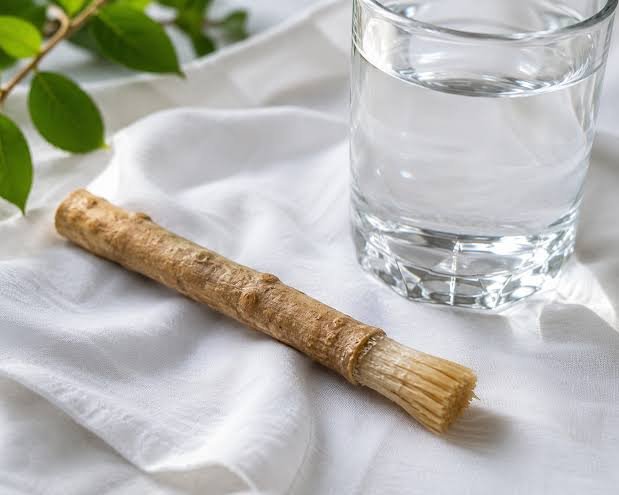
A twig against a toothbrush. It sounds like an unfair fight.
So scientists tested it properly. Lab cultures. Clinical trials. Year long studies with hundreds of people. Researchers have been putting the miswak under the microscope since the 1960s.
The verdict? It holds up. Not perfectly. Not without conditions. But far better than most people expect.
Here’s what the research really says, the good and the less good.
Do Miswak Sticks Work? The Short Answer
Yes, when you use them properly.
A major review in the Saudi Medical Journal looked at decades of studies. Its conclusion was clear. Several clinical studies found miswak cleans teeth as well as a toothbrush, and sometimes better.
The World Health Organization has also recommended chewing sticks as an oral hygiene tool where their use is customary.
But one phrase keeps showing up in the research: with proper technique. Hold that thought. We’ll come back to it.
Want the background first? Read what is a miswak stick and where it comes from.
Why Does a Miswak Stick Work?
Researchers point to two things working together.
1. The fibres do the scrubbing. Chew the tip and the wood splits into bristles. Those bristles physically lift plaque and food from your teeth, like any brush.
2. The wood releases natural compounds. As you brush, the stick gives off substances that act on your mouth chemically.
The key players:
- Benzyl isothiocyanate (BITC): identified as the main antibacterial agent in miswak roots
- Salvadorine: a bitter alkaloid with bactericidal effects
- Silica: a mild natural abrasive that helps lift stains
- Calcium and chloride: linked to enamel support and slowing tartar build up
- Essential oils: that sharp taste gets your saliva flowing
So a miswak isn’t just a stick with bristles. It’s a brush and a treatment in one.
Are Miswak Sticks Good for Your Teeth? What the Studies Found
Plaque: Matches the Toothbrush
This is where the evidence is strongest.
- A study of 50 dental students found the miswak group had a significant drop in plaque compared with the toothbrush group.
- Saudi volunteers given professional instruction removed more plaque with miswak than with a toothbrush, especially from the small gaps between teeth.
- Kenyan schoolchildren who brushed with a chewing stick for five minutes cut their plaque sites. Adding toothpaste made no extra difference.
- A literature review concluded the plaque removing power of miswak and toothbrushes is similar.
One caveat. In people with heavy plaque build up, a toothbrush did better. For moderate plaque, they performed the same.
Cavities: The Most Striking Result
A one year trial in Yazd, Iran, followed 330 high school students. Half used miswak. Half used a toothbrush. Same training. Same number of cleans per day.
At the end, the toothbrush group had a 55% higher rate of new cavities per tooth. Their risk of decay per tooth was 9.35 times higher.
Population studies point the same way. In Zanzibar, rural communities where miswak use was common had fewer cavities than urban areas. Among adults in Ghana, miswak users showed slower plaque formation and less decay.
Gums: Strong, With Fine Print
- Using a miswak five times a day reduced gingivitis on both outer and inner tooth surfaces compared with a toothbrush.
- Using it twice a day reduced gingivitis on outer surfaces, with no clear difference on inner ones.
- In Sudan, a study of 213 men found miswak users had better periodontal health than toothbrush users.
- Miswak cut levels of a key gum disease bacterium below the gumline more than toothbrushing did.
Not every study agreed. The dental student trial above found no real difference in gum inflammation between the two groups. Some earlier studies found no difference in bleeding either.
Bacteria: Proven in the Lab
Lab work consistently shows miswak slows the growth of Streptococcus mutans, the main bacterium behind tooth decay. It also acts on bacteria linked to gum disease, like Porphyromonas gingivalis.
In one clinical study, miswak reduced S. mutans more than toothbrushing did straight after use.
Even whole miswak pieces, not just extracts, showed strong antibacterial effects. And fresh sticks performed the same as month old ones.
Saliva: An Instant Boost
Chew a miswak and your saliva changes right away. Calcium and chloride levels rise.
Calcium helps remineralise enamel. Chloride helps slow tartar. That bitter taste also gets saliva flowing, and saliva is your mouth’s natural defence against acid.
The catch? Levels return to normal within about four hours. Regular use keeps the benefit going.
Are Miswak Sticks Good for You Beyond Your Teeth?
Research suggests a few extra benefits, mostly from lab studies:
- Antifungal: extracts slowed the growth of Candida albicans, the fungus behind oral thrush
- Antioxidant: the plant contains tocopherols, part of the vitamin E family
- Anti-inflammatory: stem extracts showed anti-inflammatory activity
Then there are the practical wins. Miswak is biodegradable. It needs no toothpaste. It costs very little. It fits in your pocket.
These lab findings are promising. They don’t replace your dentist.
Where the Miswak Falls Short
Honest research shows both sides. Here’s what the studies flag.
It’s weaker than clinical antiseptics. Miswak extract has lower antibacterial power than chlorhexidine, the antiseptic in many medicated mouthwashes.
It’s harder to reach some spots. The bristles run along the stick, not across it. Front surfaces are easy. Back molars and inner surfaces take more effort.
Rough use can harm your gums. Several studies linked miswak use to gum recession and tooth wear. A 2025 systematic review found excessive or improper use may contribute to recession, but said the evidence isn’t strong enough to prove a direct link.
Quality varies. Roots tend to be softer and higher in antibacterial compounds. Branches are firmer and last longer. Growing conditions also affect potency.
Notice the pattern? Most of these problems come down to how you use it, not the stick itself. Too much pressure and wild scrubbing cause trouble with a regular toothbrush too.
Does Miswak Stick Work Better With a Toothbrush?
Often, yes.
A study of people with mild to moderate gingivitis found plaque scores and gum health improved most when they used both miswak and a toothbrush. Another study found the lowest plaque scores among people who combined the two.
The logic is simple. The toothbrush’s angled head reaches the back of your mouth. The miswak adds its natural compounds and works anywhere, no sink needed.
You don’t have to choose. Many people use both.
How to Get Results From Your Miswak
The research keeps repeating three things:
- Learn the technique. The best results came after proper instruction.
- Go gentle. Light pressure. Brush away from the gums.
- Stay consistent. Regular use beat occasional use in nearly every study.
Want the full routine? Our guide on how to use a miswak stick covers prep, grip, brushing and how often to use miswak stick.
The Verdict
So, do miswak sticks work? The science says yes.
They match a toothbrush on plaque. They showed a big edge on cavities in a year long trial. They support healthier gums in many studies. And they bring natural antibacterial compounds no plastic brush can offer.
They’re not magic. Technique matters. Your dentist still matters. But thousands of years of use and decades of research point the same way.
Ready to see for yourself?
- Try it out with a single miswak stick.
- Keep one at home and one in your bag with the organic natural miswak sticks pack of 3.
- Build a daily habit with the natural miswak sticks pack of 5.
- Never run out with the organic miswak sticks pack of 10.
Browse the full miswak shop UK, explore our natural miswak sticks, or visit Miswak Store UK.
Frequently Asked Questions
Do miswak sticks really clean teeth?
Yes. Several clinical studies found miswak removes plaque as well as a toothbrush, and sometimes better, when used with proper technique.
Are miswak sticks good for your teeth long term?
Research links regular miswak use to fewer cavities and better gum health. Use gentle pressure, since rough scrubbing has been linked to gum recession and tooth wear.
Is miswak better than a toothbrush?
It matches a toothbrush for plaque in many studies and outperformed it on cavities in a one year trial. A toothbrush reaches back teeth more easily, which is why many people use both.
Are miswak sticks good for you if you have gum problems?
Studies show miswak can reduce gingivitis. If you already have gum recession or sensitivity, speak to your dentist and use very light pressure.
Can miswak replace toothpaste?
Traditional miswak use needs no toothpaste. The stick releases its own natural compounds as you brush.
Is there scientific evidence that miswak works?
Yes. Decades of lab studies and clinical trials, reviewed in journals such as the Saudi Medical Journal, support its antibacterial, anti plaque and anti cavity effects.
Sources: Haque and Alsareii, Saudi Medical Journal, 2015 (PMC4436748). Simmons et al., “The Miswak Comeback,” Dimensions of Dental Hygiene, January/February 2026.